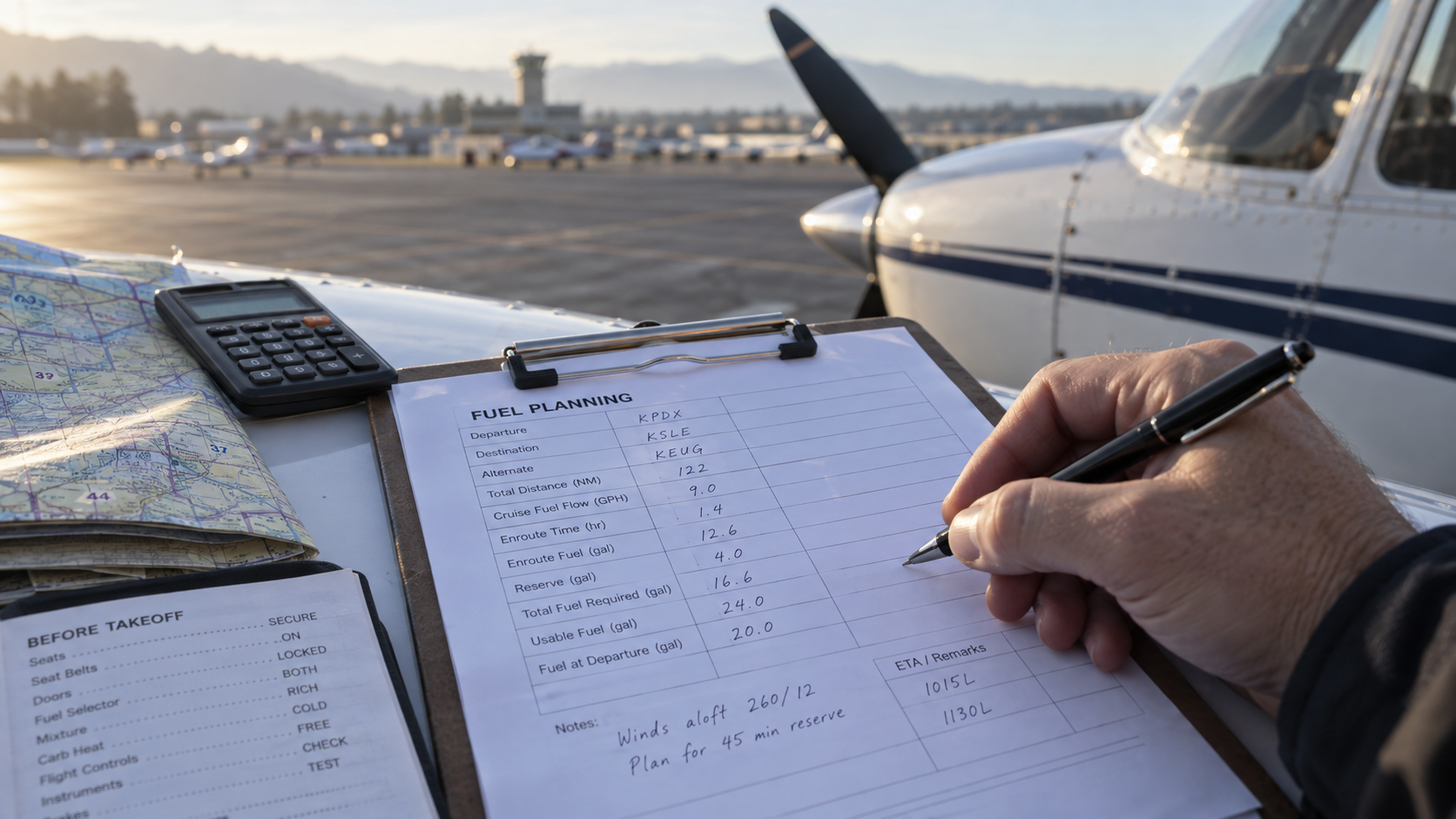
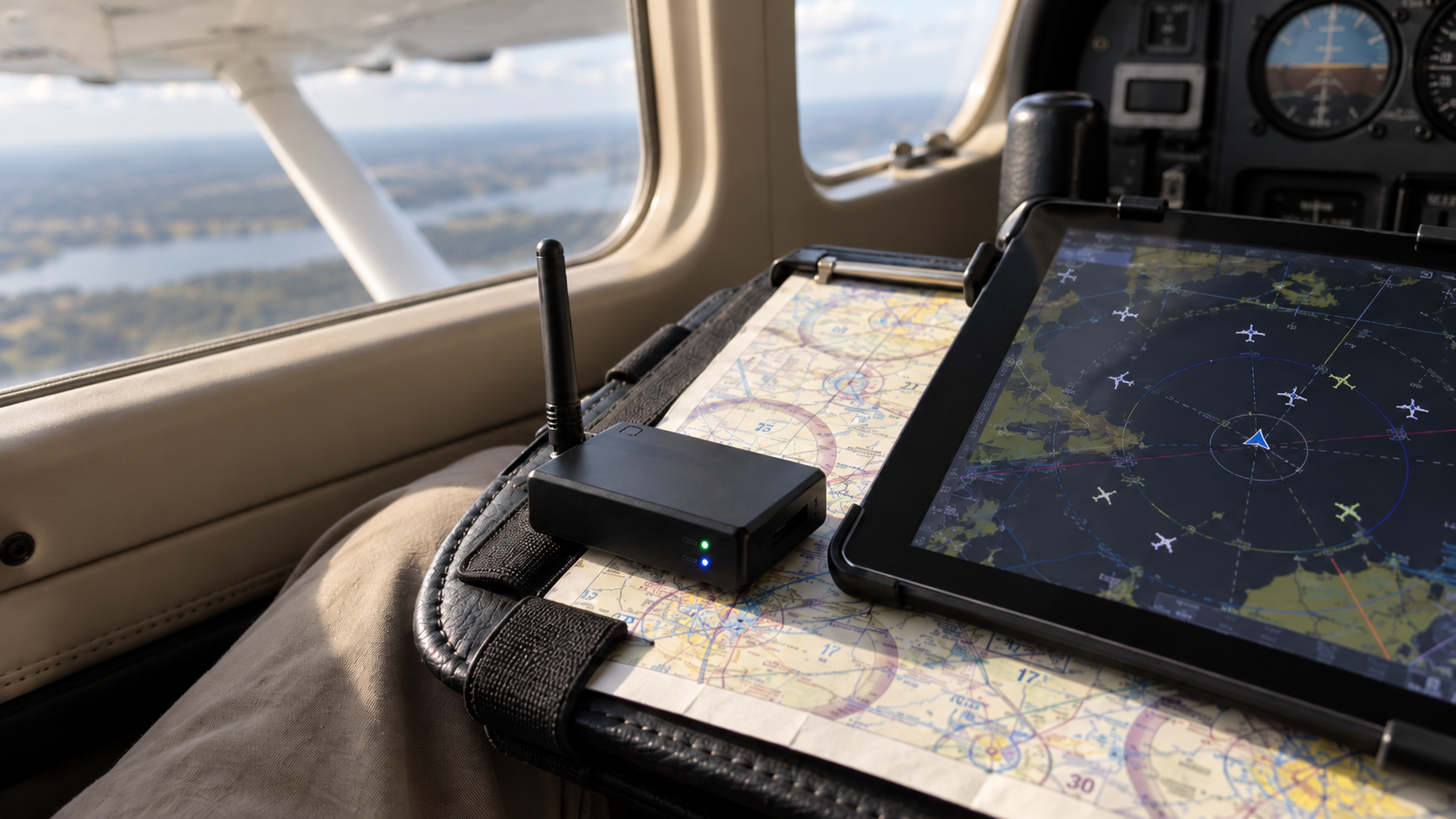
You're twelve hours into your logbook. You can barely hold altitude within 150 feet, your radio calls still sound like you're translating them from a second language, and somewhere in the back of your mind you've decided enforcement action is a problem for airline captains who do something dramatic on the evening news.
That's the wrong mental model, and it's worth fixing early.
An FAA enforcement action isn't reserved for the dramatic stuff. It starts with ordinary things: busting an altitude, clipping the edge of Class B airspace you didn't realize you were near, taxiing past a hold short line while you were heads-down programming the GPS. Most of those moments never become anything. Some of them do. The difference usually comes down to whether you understood what was happening and what to do next, which is a skill, not a personality trait, and skills can be taught before you need them.
Compliance and Enforcement Are Not the Same Thing
Here's the part most students never hear explained plainly: the FAA actually runs two separate tracks for dealing with regulatory deviations, and which track you land on matters enormously.
The FAA's Compliance Program exists specifically to handle honest mistakes without going straight to punishment. When a deviation looks like it came from a training gap, a misunderstanding, or a one-time slip rather than carelessness or intent, the agency's own policy favors a compliance action: identifying the root cause and fixing it through education or additional training, not through a certificate suspension. Enforcement, the harder track, is reserved for cases involving intentional conduct, recklessness, a lack of qualification, or where legal action is required by law.
That distinction exists on paper. It does not exist automatically in your favor. How an incident gets classified depends heavily on how you show up once the FAA starts asking questions, which brings us to the letter you don't want to see in your mailbox.
Decoding the Letter of Investigation
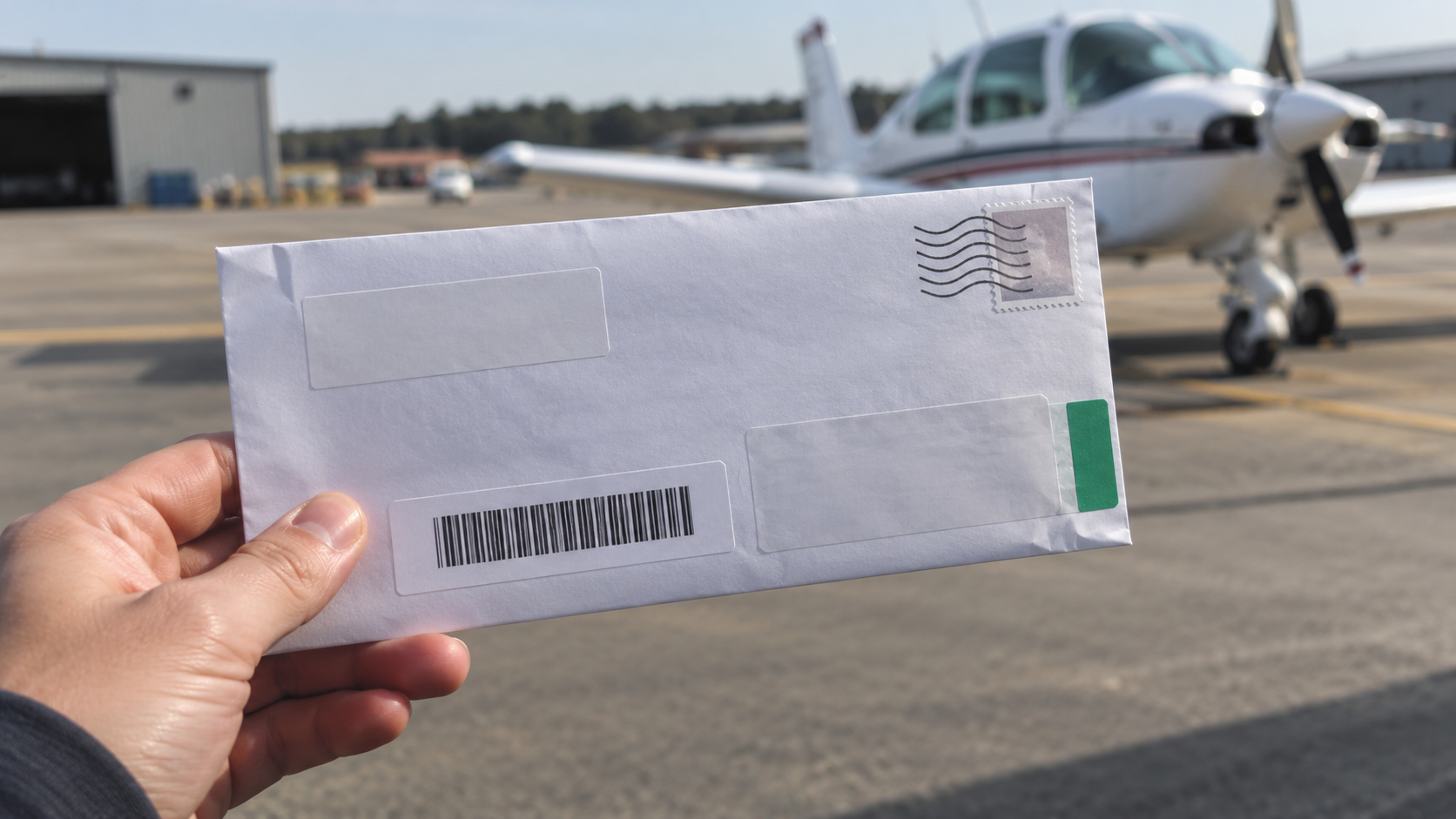
A Letter of Investigation, universally shortened to LOI, is the FAA's first formal point of contact once an inspector has reason to believe a regulation may have been violated. It is not an accusation and it is not a verdict. It's notice that something is being looked at, and an invitation for you to provide your side of the story before the agency draws conclusions.
Thanks to the Pilot's Bill of Rights, passed in 2012, that letter has to tell you four specific things: what the investigation is actually about, that you're not legally required to respond, that the FAA cannot hold your silence against you, and that anything you do submit can become part of the record and used later if the matter goes further. Read that twice. The FAA is required to tell you, in writing, that silence is an option. Most people who've never seen an LOI assume the opposite.
So, Do You Respond?
That's a genuinely complicated question, and it's not one a blog post should answer for you case by case. What matters here is understanding the mechanics before you're standing in your kitchen holding a certified letter with shaking hands. A thoughtful, accurate response can sometimes be the difference between a conversation and a certificate action. A rushed, defensive one can box you in. If you ever receive an LOI, that's the moment to call an aviation attorney, not a forum thread.
How Violations Actually Get Reported
None of this starts with someone deciding to get you in trouble. Most LOIs trace back to something far more mundane.
Air traffic control radar and recorded communications catch a lot of it automatically. A pilot deviation, like busting an assigned altitude or wandering into airspace without a clearance, often generates a report before anyone on the ground has to lift a finger. Ramp checks are another common trigger: an FAA inspector shows up at your airport, asks to see your certificate, medical, and the aircraft's documents, and if something's missing or expired, that conversation can turn into a letter. Occasionally it's a controller, another pilot, or an airport operator filing a written complaint after something they witnessed.

The Safety Valve Nobody Mentions in Ground School
Here's the part that should actually lower your blood pressure. The FAA, through an agreement with NASA, runs the Aviation Safety Reporting System, better known as ASRS. It's a confidential, voluntary way to report your own mistake, near miss, or safety concern directly to NASA rather than the FAA.
Under specific conditions laid out in Advisory Circular 00-46F, filing an ASRS report within ten days of an incident can provide limited immunity from an enforcement sanction for that violation, so long as it wasn't deliberate, didn't involve a criminal act or an accident, and you haven't already used that same protection for another violation in the preceding five years. It isn't a free pass to fly however you want and paper over the consequences. It's a built-in mechanism that rewards honesty and quick reporting over silence and hoping nobody noticed.
Most CFIs mention ASRS once, in passing, somewhere around the written exam. It deserves more than a footnote. It's one of the few places in aviation where the system is explicitly designed to reward you for admitting you screwed up.
Why This Matters Before You've Even Soloed
You're not going to trigger an FAA enforcement action for forgetting your checklist flow on your third lesson. That's not the point. The point is that a compliance mindset, understanding what counts as a deviation, knowing there's a difference between an honest mistake and a reckless one, and knowing ASRS exists before the day you actually need it, isn't advanced material. It's foundational, the same way understanding weight and balance is foundational before you ever load four people into a 172.
Pilots who build that awareness early tend to carry it differently through their training. They ask their instructor "wait, was that actually a violation?" instead of guessing. They file an ASRS report the same week instead of three months later when it's too late to matter. They read an LOI, if it ever comes, as a process with known steps instead of a career-ending event. That calm is not luck. It's preparation, applied to a part of flying that ground school tends to rush through.
An FAA enforcement action isn't a topic you revisit once you're a CFI dealing with a student's mistake. It's part of how you fly from day one.
Power Hour: FAA Enforcement for Students, Explained Live
Join CFI Bootcamp for a free Power Hour session built around exactly this topic.
What we'll cover:
What actually triggers an FAA enforcement action, and what doesn't
How the Letter of Investigation process really works, step by step
The NASA ASRS reporting window and what it does and doesn't protect
How to build a compliance mindset into your training from day one
This isn't a scare session. It's a straight walkthrough from instructors who've actually sat across the table from these conversations, delivered in plain English. Absolutely free. No catch. Just show up.
Register here: https://cfibootcamp.kartra.com/page/Power-Hour-Lessons-Show
The FAA isn't out to end your flying before it starts. But it does expect you to know the rules of the road, including the ones about what happens when you break one. Learn them now, while the stakes are a bruised ego instead of a certificate action.
References
Federal Aviation Administration, The Compliance Program
Federal Aviation Administration, Notice N8900.195, Written Notification of Investigation Pursuant to the Pilot's Bill of Rights
Pilot's Bill of Rights, Public Law 112-153 (2012)
Federal Aviation Administration, Advisory Circular 00-46F, Aviation Safety Reporting Program
Internal links: how-to-become-a-flight-instructor, cfi-checkride-hardest-flight-training, private-pilot-acs-explained, student-pilot-certificate-iacra