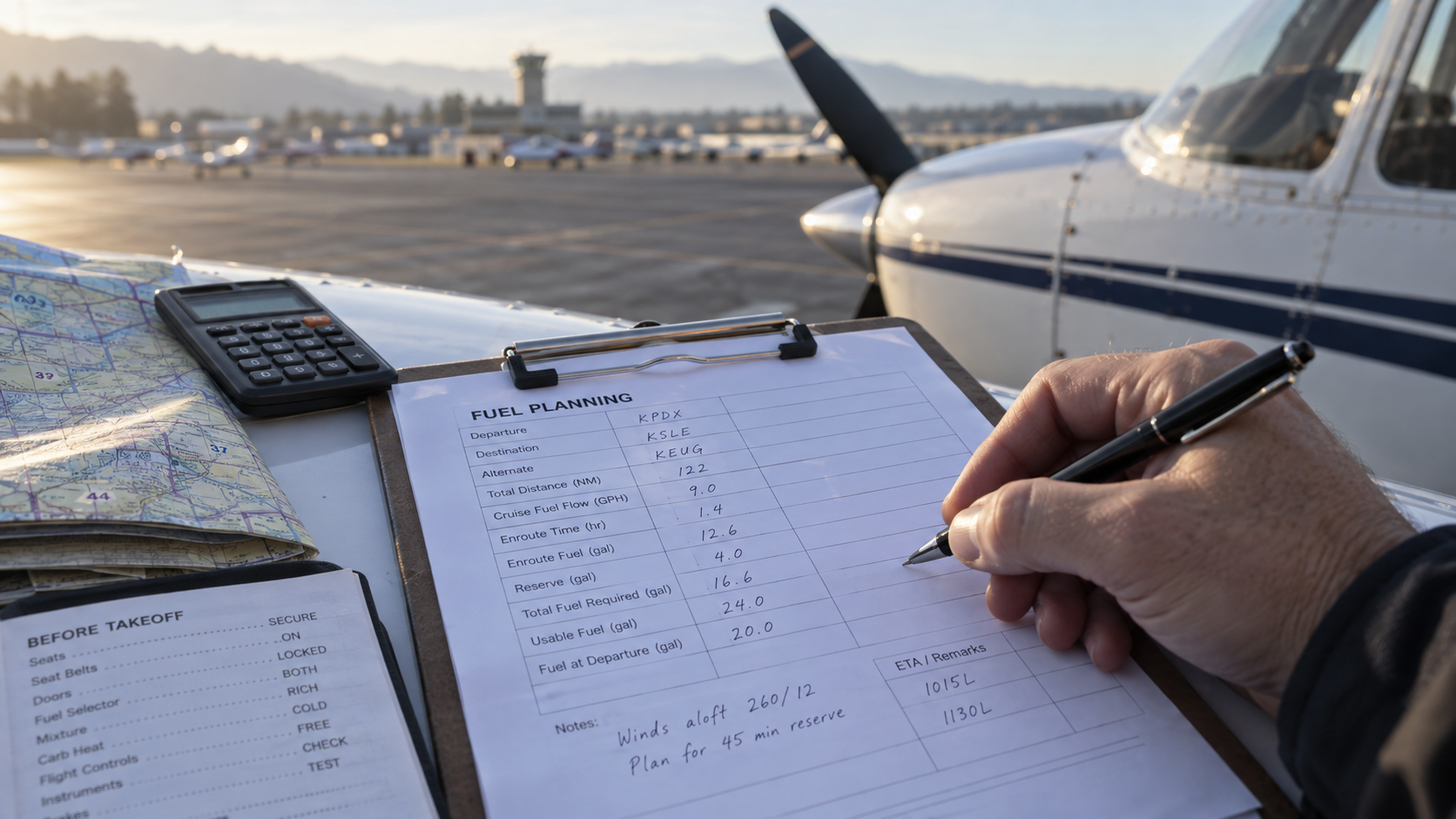
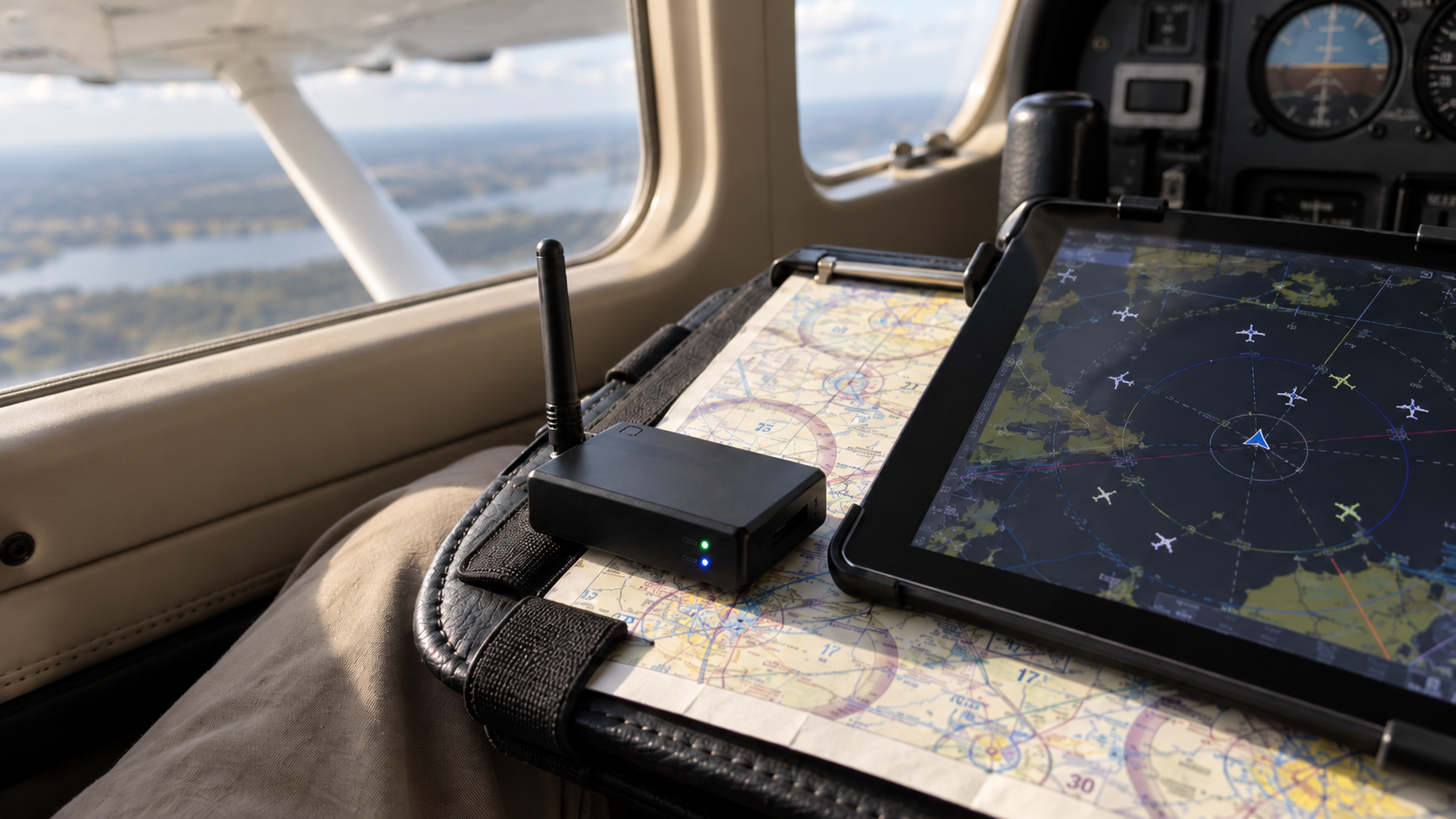
A student keys up on downwind, voice about an octave higher than usual, and asks the question you've answered two hundred times. Was that turbulence? What they actually flew through was one bump over a parking lot. Congratulations, you've just witnessed the most over-reported weather phenomenon in general aviation. Confusing the types of turbulence is the single most common mistake new students make at altitude.
Here's the actual problem. You know the difference between light chop and a ride that puts the sectional on the floor. Your student doesn't, and the FAA's own language doesn't help much either, because it was written for airline crews filing PIREPs over the radio, not for a seventeen-year-old three flights into solo. If your go-to answer is "it's just bumpy air, you're fine," you haven't taught anything. You've just reassured them until the next bump, when they'll ask again.
The fix isn't a lecture on atmospheric mechanics. It's giving the FAA's own four-level scale real, physical anchors your student can feel and name in the moment, so the types of turbulence stop being one scary word and start being a scale they can read.
"It's Just Turbulence" Isn't an Answer, It's a Shrug
Every CFI has said it. The student stiffens up, grips the yoke a little tighter, and you say the line because it's true and it's fast. The trouble is it teaches nothing. A student who hears "it's just turbulence" learns that turbulence is one undifferentiated thing to be scared of or to ignore, and neither of those is useful at altitude.
What actually builds judgment is vocabulary. A student who can tell you "that was light chop" instead of "it got bumpy" is a student who's started separating sensation from decision-making. That's the same skill they'll need later to file a PIREP, brief a go/no-go call, or explain to a nervous passenger why descending through a cloud layer might get a little rough.
The FAA's Turbulence Levels, Translated Out of Regulation-Speak
The Aeronautical Information Manual breaks the types of turbulence into four official categories. They're accurate, they're standardized, and they read like they were written by a committee that never sat in a Cessna. Here's what each one actually means in the cockpit.
Light Turbulence and Light Chop
The AIM's definition: momentary, slight, erratic changes in altitude or attitude, or rapid, rhythmic bumpiness without real changes in altitude. Occupants feel a slight strain against the seat belt. These turbulence levels are what most students experience on nearly every flight and mistake for something worse.
What it feels like: a washboard road. Annoying, a little noisy, completely survivable, and not worth more than a glance at the altimeter.
Moderate Turbulence and Moderate Chop
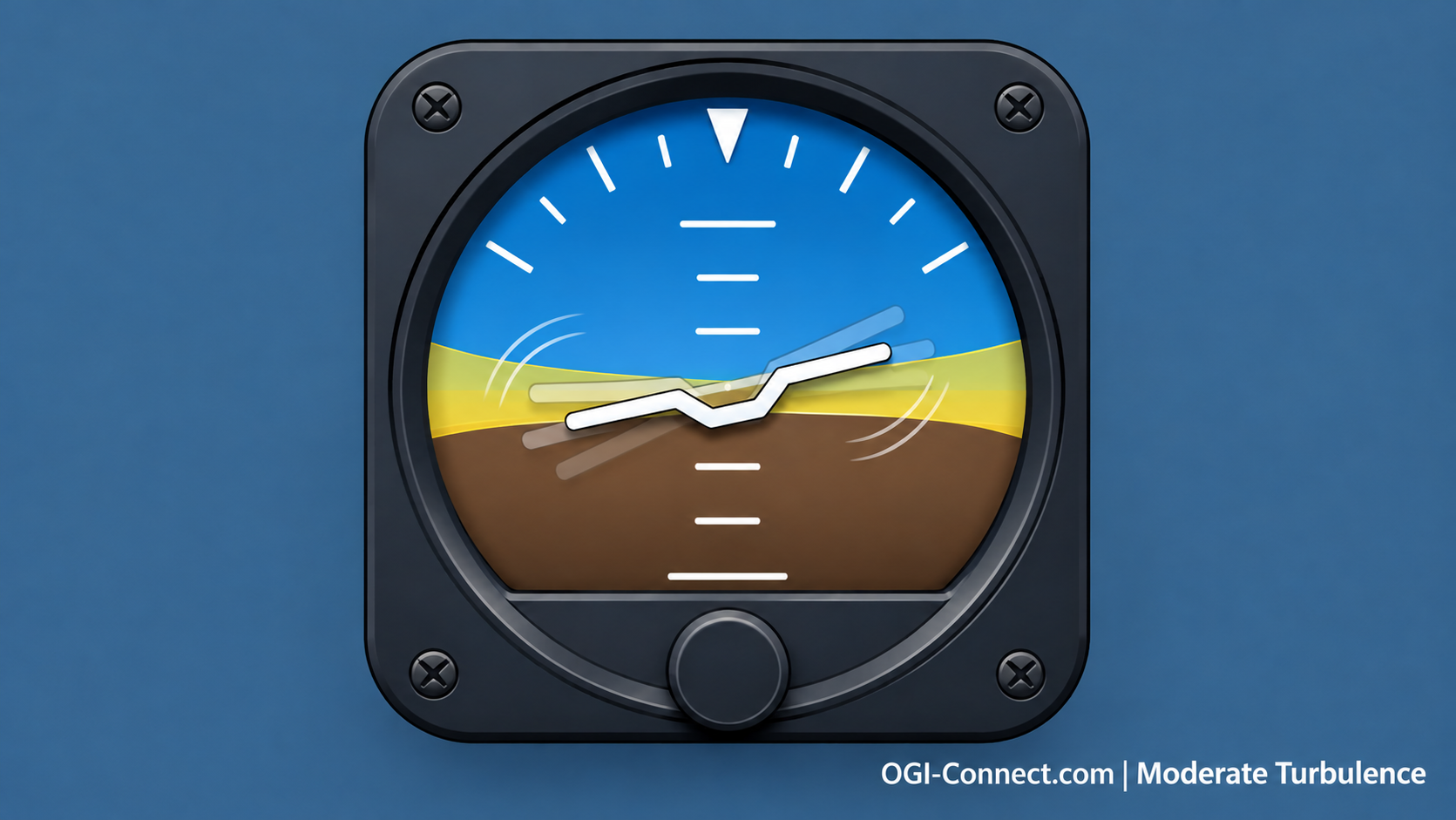
The AIM's definition: similar to light turbulence but of greater intensity, with definite changes in altitude or attitude. The aircraft stays in positive control the entire time, but unsecured objects shift and airspeed varies noticeably.
What it feels like: the point where your student's coffee, if they were foolish enough to bring one, ends up on their lap. This is also where most primary students start overreacting, because it's the first category where the airplane visibly moves without them commanding it to.
Severe Turbulence
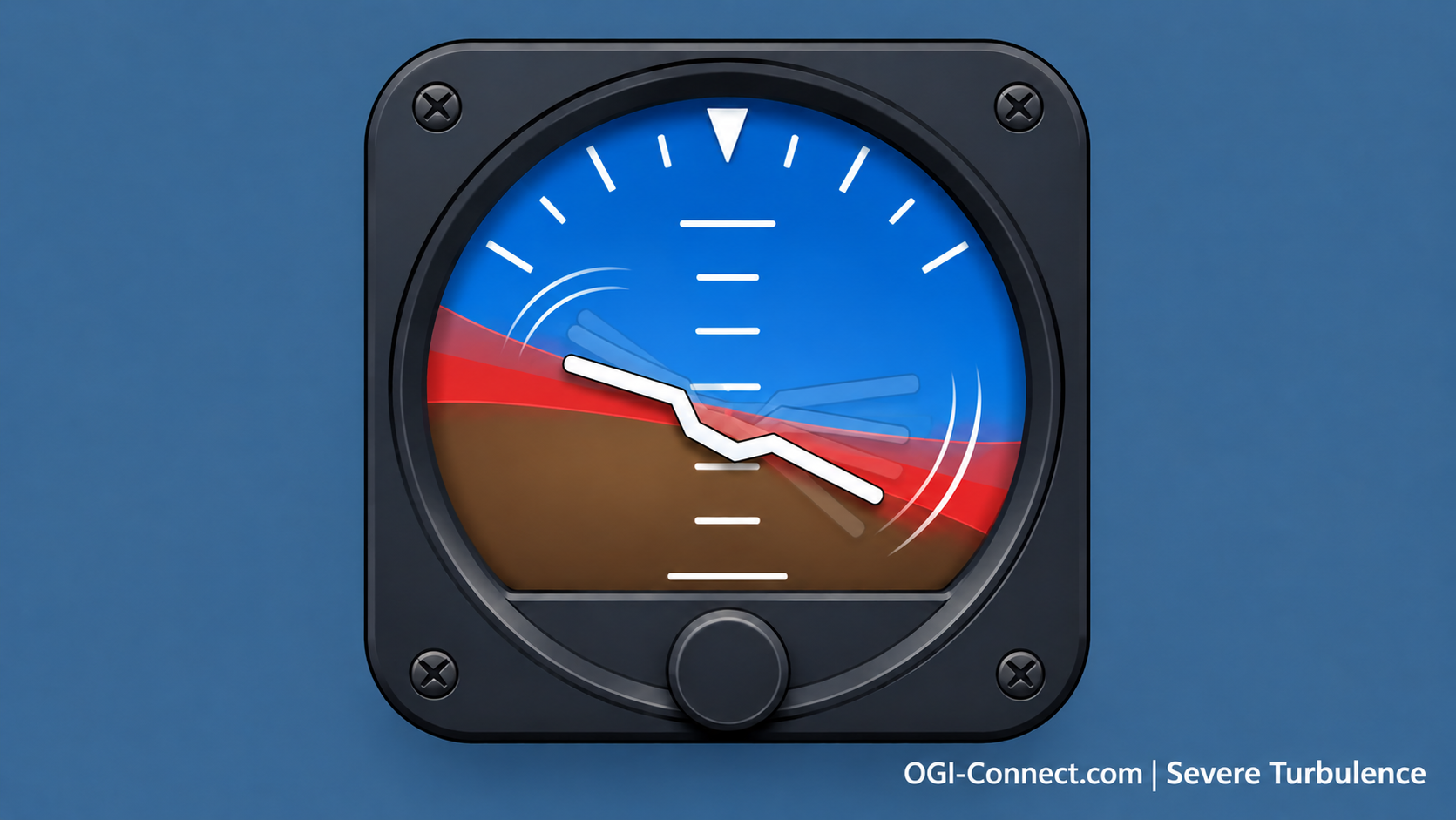
The AIM's definition: large, abrupt changes in altitude or attitude, usually with large variations in indicated airspeed, and momentary loss of control is possible.
What it feels like: this is no longer a feeling to manage. It's a decision point. Severe turbulence is the line where the right move is reducing to maneuvering speed, securing the cabin, and getting out of the condition, not toughing it out.
Extreme Turbulence
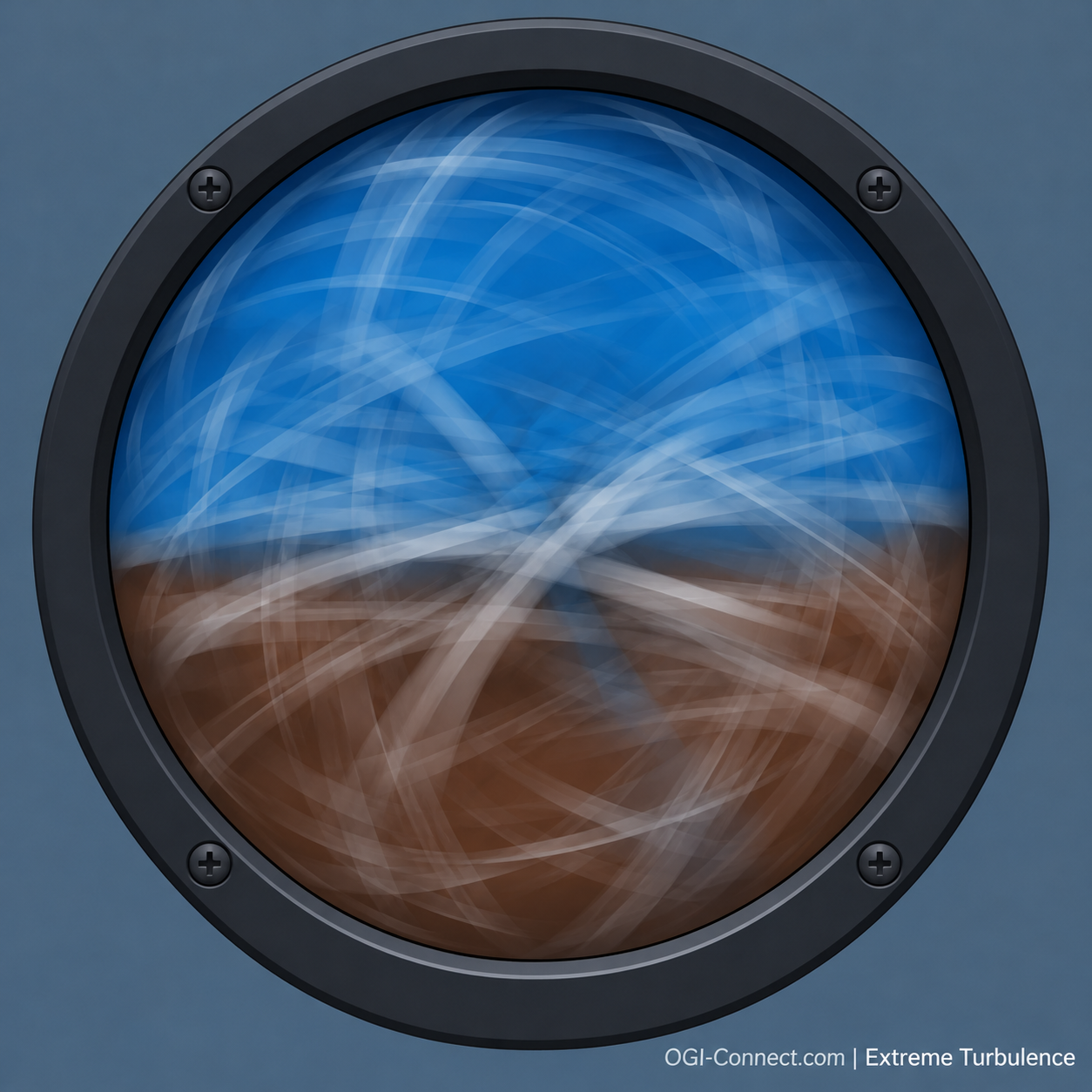
The AIM's definition: the aircraft is violently tossed about and is practically impossible to control, with the possibility of structural damage. It's rare, and most GA pilots will go an entire career without a legitimate extreme encounter, but your students should know it exists and know it's not a word to use loosely on a PIREP.
What it feels like: if you ever do encounter it, there's no ambiguity. Instruments are hard to read, the controls feel disconnected from what the airplane is actually doing, and the only correct response is the same one as severe turbulence, just more urgent about it. Most CFIs will teach the concept their entire career without ever having to apply it in the air, and that's exactly the point of knowing the definition cold.
Teaching the Turbulence Levels So They Actually Stick
Translating the AIM's language is step one. Step two is making your student use the real terms out loud, every time, instead of defaulting to "bumpy."
Next time you hit chop at altitude, ask them to classify it before you do. Light or moderate? What's the airplane actually doing, not what does it feel like. This takes thirty seconds and it does more for their weather judgment than any ground lesson on convective currents, and it reinforces the same decision-making skills covered in fundamentals of instruction.
It also sets them up to file an actual PIREP later, using the FAA's own terms, which is a skill most private pilots never practice until they need it. A pilot who's been saying "light chop" and "moderate chop" out loud since their first ten hours isn't guessing at the radio call. They already have the vocabulary, the same way a well-prepared applicant isn't guessing during CFI oral exam prep.
When "Severe" Stops Being a Feeling and Starts Being a Decision
The real teaching moment isn't the vocabulary. It's the threshold. Light and moderate are conditions to describe and continue through. Severe is a condition to act on. Make sure your students know exactly where that line sits, and that the action on the other side of it (slow down, secure the cabin, exit the area) isn't optional judgment, it's the standard response, the kind of risk-management habit that also shows up directly in the Private Pilot ACS.
That distinction, more than any single definition, is what separates a student who can talk about turbulence from one who can actually fly through it and make the right call when the ride stops being a story and starts being a hazard.
That's also why the debrief matters as much as the moment itself. After any flight with real moderate or severe turbulence, walk back through it on the ground. Ask your student what level they felt, where it started, and what cue told them. If their answer doesn't match what the airplane and the conditions actually showed, that's the gap to close before the next flight, not a detail to let slide because the leg landed safely.
Turbulence vocabulary isn't a standalone lesson. It's risk management training that happens to be hiding inside every bumpy Tuesday afternoon flight. Build it into your lesson plans and use it.
Keep Building Toward the Checkride
Power Hour Lessons covers exactly this kind of "they can recite the regulation but can't apply it in the airplane" gap, one topic at a time, in a live session format built for working CFIs and the students they're prepping for checkrides.
You can find current registration details and upcoming topics at the Power Hour Lessons page.
Your student doesn't need to memorize a table. They need to recognize what's happening and know what to do about it.
That's the job. Teach it that way.
References
FAA Aeronautical Information Manual, Chapter 7, Section 1, Paragraph 7-1-21, PIREPs Relating to Turbulence (Table 7-1-11, Turbulence Reporting Criteria Table) — faa.gov
Internal links: fundamentals-of-instruction-explained, cfi-oral-exam-prep, private-pilot-acs-explained, flight-instructor-lesson-plans